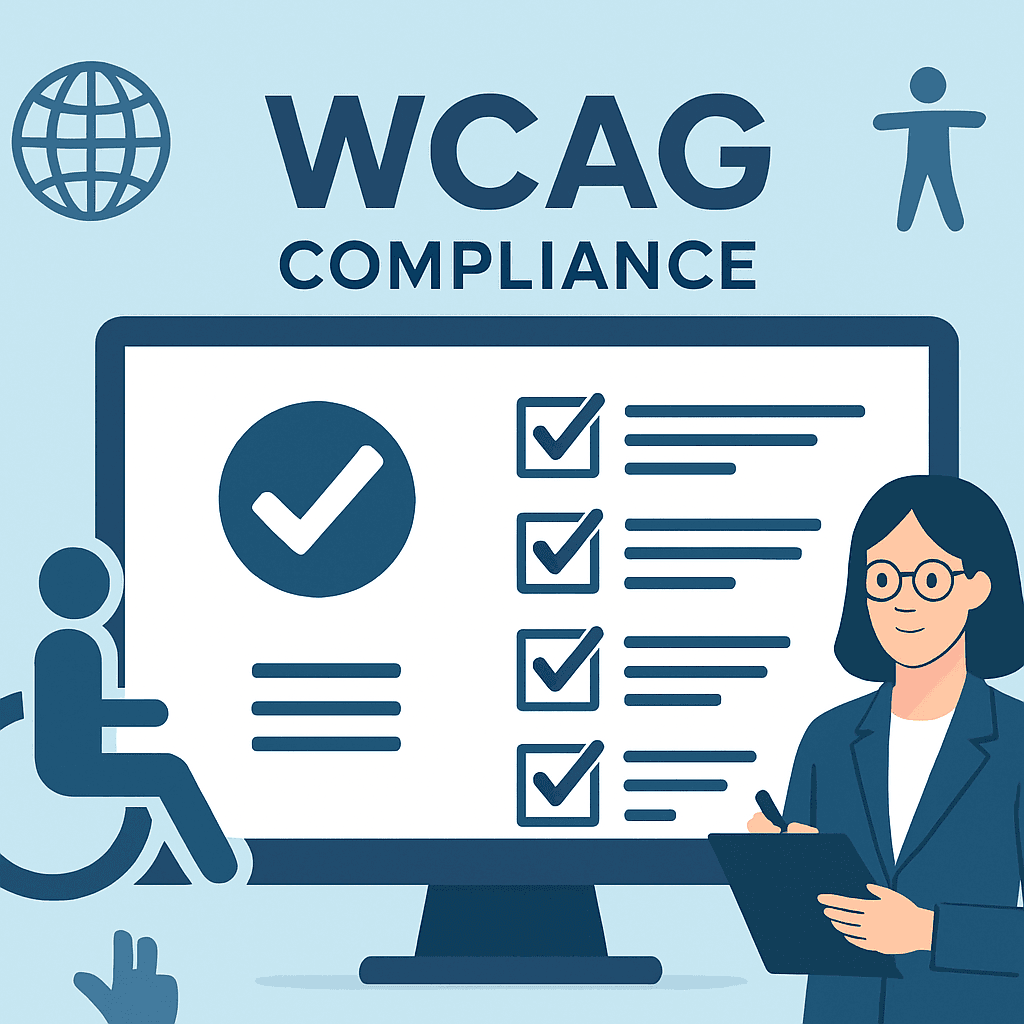
Web accessibility — the practice of building websites usable by people with disabilities — is often treated as a compliance checkbox rather than a business priority. This is a misunderstanding. Accessible websites consistently outperform inaccessible ones on every meaningful metric: rankings, conversion, audience size, and user experience.
The UAE Accessibility Context The UAE has approximately 600,000 people with disabilities — representing a significant consumer segment. The UAE Federal Law No. 29 of 2006 on the Rights of Persons with Disabilities establishes legal protections, and Dubai's Smart Dubai initiatives increasingly emphasise digital inclusion.
Dubai's government portals and major enterprises increasingly require WCAG 2.1 compliance from their digital suppliers — making accessibility certification a business requirement for agencies working in the public and enterprise sector.
The Business Case Beyond Compliance
1. Better SEO Performance Many accessibility practices directly improve SEO: descriptive alt text helps Google understand images; semantic HTML improves crawlability; logical heading structure aids both screen readers and Google's content parsing.
2. Larger Effective Audience People with disabilities represent approximately 15% of the global population. Poor colour contrast, missing alt text, tiny touch targets, and inaccessible forms exclude a measurable portion of your potential customers.
3. Improved Usability for Everyone High contrast text, clear labels, predictable navigation, and captioned videos improve the experience for all users — not just those with disabilities. Users on bright outdoor screens, older users, and non-native language speakers all benefit from accessibility best practices.
Practical Accessibility Improvements
- Colour contrast: All text must have a minimum 4.5:1 contrast ratio against its background
- Alt text: All meaningful images must have descriptive alternative text
- Keyboard navigation: All interactive elements must be operable without a mouse
- Form labels: Every form input must have an associated, visible label
- Focus indicators: Keyboard-navigable elements must show a visible focus indicator
- Heading hierarchy: H1 to H2 to H3 structure must be logical and never skipped
- ARIA labels: Interactive custom components must include appropriate ARIA roles and labels
- Captions: All video content must have captions
Tools: axe browser extension, WAVE accessibility tool, and Google Lighthouse accessibility audit.

Related Articles

Website Design UAE: Creating Digital Excellence for Your Business
Discover how professional website design in UAE can transform your business online presence and drive meaningful results.
Read article
Responsive Website Design: Essential for Modern Business Success
Learn why responsive design is critical and how it impacts your SEO rankings and user experience.
Read article
Modern Web Design Trends 2024: Create Stunning Websites
Discover the latest web design trends that make websites visually appealing, user-friendly, and conversion-focused.
Read article