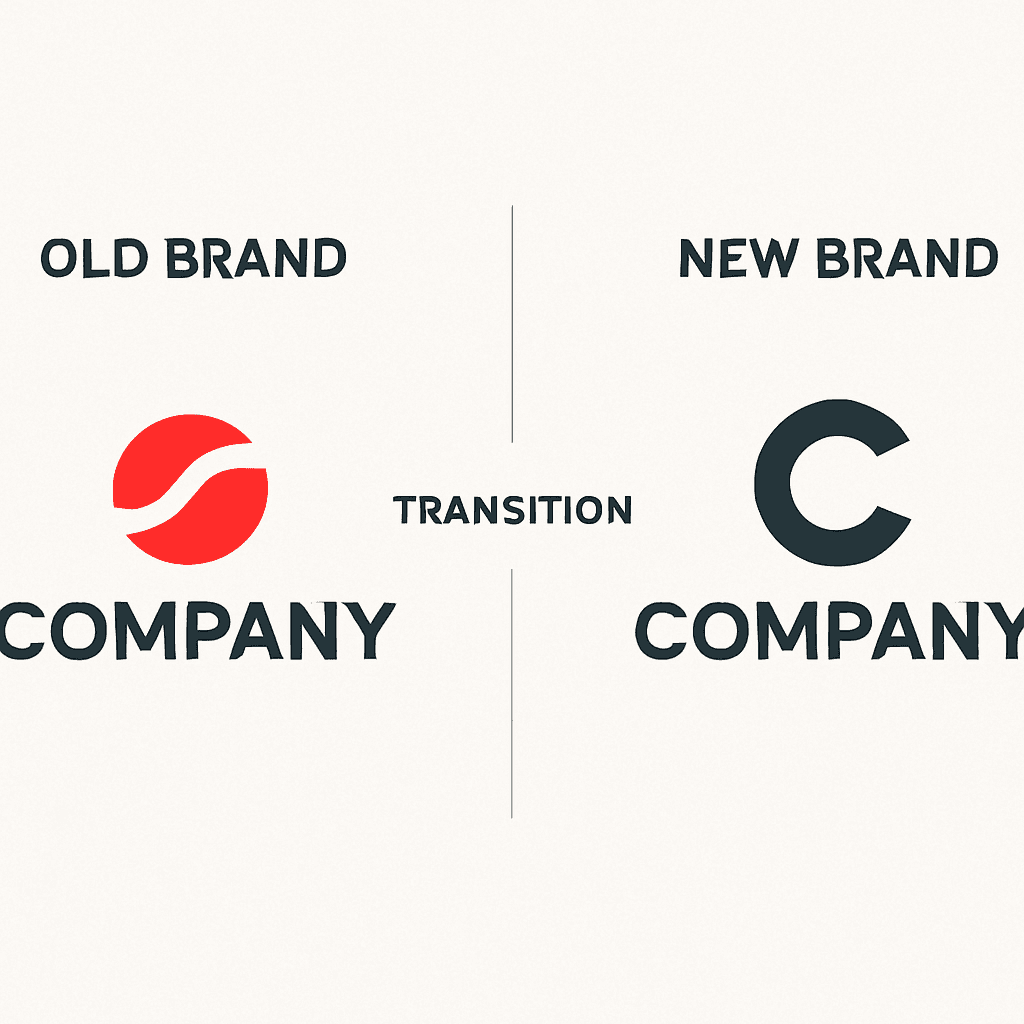
Rebranding is one of the highest-stakes marketing decisions a business can make. Done correctly, it revitalises a company's market position, attracts new audiences, and energises the team. Done wrong, it alienates loyal customers, confuses the market, and wastes significant budget. Here is how to make the right decision.
When Rebranding Makes Sense
1. Your business has evolved beyond your original brand Companies that have expanded services, changed target audiences, or moved upmarket often find that their original brand no longer reflects what they actually are. A cleaning company that has become a facilities management group needs a brand that matches its ambitions.
2. Merger, acquisition, or significant ownership change New ownership or partnerships often require a brand that reflects the combined entity, signals a new direction, or distances from a previous identity.
3. Your brand is consistently confused with a competitor If customers regularly mistake you for a competitor or your brand name is too similar to another in your category, a rebrand can resolve marketplace confusion.
4. Your visual identity is severely outdated Not every outdated logo requires a full rebrand — sometimes a brand refresh (evolution of existing elements rather than replacement) is sufficient and far less disruptive.
5. Entering a new market or region Expanding from UAE to Saudi Arabia, or from regional to international, sometimes requires adjusting brand elements to resonate with different audiences or comply with different cultural expectations.
When NOT to Rebrand
- As a response to a bad quarter or temporary performance issues (rebranding does not fix operational problems)
- Because someone in leadership simply does not like the existing brand
- To follow a design trend (brands built on trends look dated within years)
How to Rebrand Without Losing Customers
1. Research before deciding: Survey existing customers, partners, and staff. Understand what brand associations they have and which are valuable to preserve.
2. Involve key stakeholders: A rebrand imposed on a team without consultation creates internal resistance that undermines the new identity before it launches.
3. Plan the transition period: Large organisations need phased rollouts — digital first, then physical materials as existing stock depletes.
4. Communicate the "why" clearly: Customers are surprisingly forgiving of brand changes when they understand the reason. Announce the change with a genuine story about your evolution.
5. Maintain brand equity: If you have significant recognition around a specific visual element, colour, or name, evolve it rather than abandoning it entirely.

مقالات ذات صلة

تصميم الموقع الإمارات: خلق التميز الرقمي لعملك
اكتشف كيفية أن تصميم الموقع الاحترافي في الإمارات يمكن أن يحول وجودك عبر الإنترنت ويحقق نتائج ذات مغزى.
اقرأ المقال
تصميم الويب المتجاوب: ضروري لنجاح الأعمال الحديثة
تعرّف على أهمية التصميم المتجاوب وتأثيره على ترتيبك في محركات البحث وتجربة المستخدم.
اقرأ المقال
اتجاهات تصميم الويب الحديثة 2024: إنشاء مواقع ويب مذهلة
اكتشف أحدث اتجاهات تصميم الويب التي تجعل المواقع جميلة وسهلة الاستخدام وموجهة لااتحويل.
اقرأ المقال